Project 2026 Edition
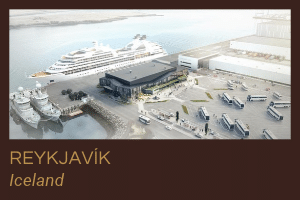
Vör – From Seasonal Infrastructure to Shared Harbour Space
A project supported by: Port of Reykjavík
Completion date: 2026
Total budget: €21 million
Main Agenda 2030 by AIVP Commitment: Goal 8 – Port-City Interface

To sum up
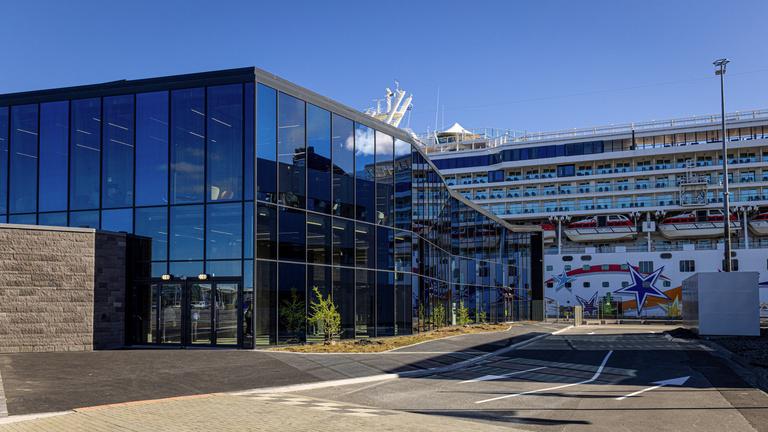
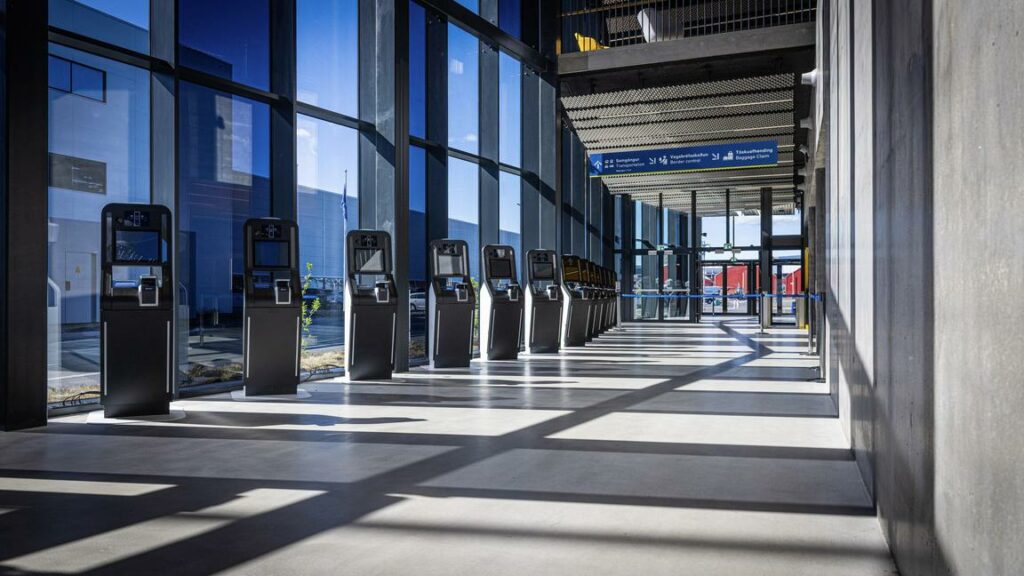
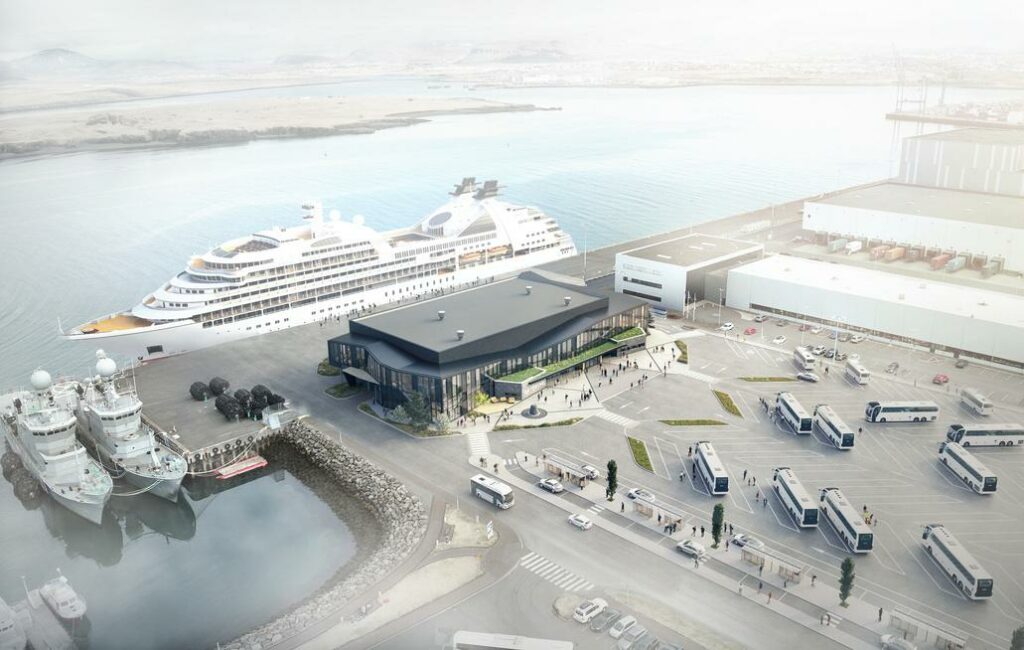
Vör forms part of the Port of Reykjavík’s long-term strategy to strengthen the relationship between the port and the city while modernising passenger infrastructure. The project responds to two strategic challenges: replacing temporary passenger facilities with permanent, climate-resilient infrastructure and ensuring that valuable waterfront buildings remain active throughout the year.
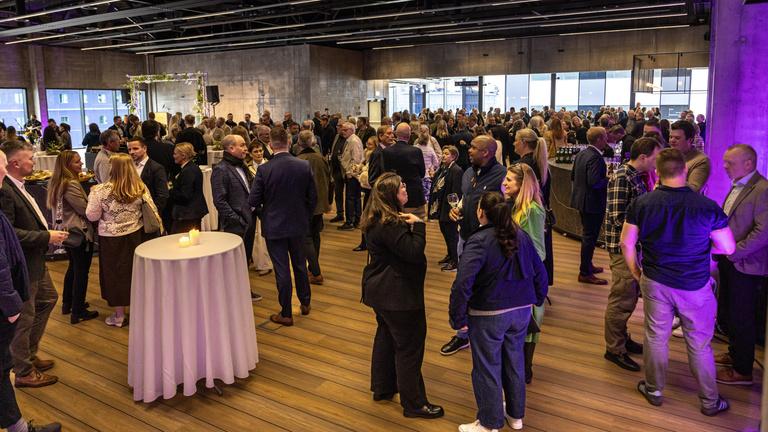
Rather than creating single-purpose seasonal infrastructure, Vör was conceived as a shared harbour space that serves cruise passengers during the summer and Reykjavík residents during the winter. This approach aligns with the strategic vision of Ports of Faxaflói to operate secure, safe, green and efficient ports while enhancing the quality of life in Iceland.
The project also reflects the Port of Reykjavík’s ambition to create greater public value from waterfront investment. Through year-round programming, public participation, partnerships with cultural and commercial organisations and improved access to a previously operational part of the harbour, Vör strengthens the port-city interface and demonstrates how operational port infrastructure can contribute simultaneously to urban life, social integration and the identity of Reykjavík as a maritime capital.
Design by: BROKKR Studio Architects, VSO Consulting, Íslenskir Aðalverktakar (ÍAV)
Images of the project
About the Port of Reykjavík
The Port of Reykjavík is Iceland’s principal commercial and cruise port and the largest port operated by Ports of Faxaflói, the municipal port authority responsible for the ports of Reykjavík, Akranes, Grundartangi and Borgarnes.
Connecting Iceland’s largest market and business area with the world, Ports of Faxaflói operates secure, safe, green and efficient ports while supporting trade, tourism, fisheries and industrial development. Through projects such as Vör, the Port of Reykjavík demonstrates how operational port infrastructure can also strengthen the relationship between the port and the city.
Back to projects